Pregnancy & STIs
Overview
About Pregnancy and STIs
Vertical transmission occurs when a mother passes a sexually transmitted infection (STI) to her baby during pregnancy, childbirth, or after birth, which can lead to birth defects, serious newborn illness, or even death. Many women are unaware of these risks, so identifying and treating STIs early in pregnancy is critical to protect the baby.
Early testing and prompt treatment of STIs during pregnancy lowers the chance that the infection will spread to the child. For this reason, OBGYNs and midwives screen for common STIs at the first prenatal visit and again at key times during pregnancy. A woman may not know she has an STI or may feel nervous about disclosing it, but delaying care increases the risk that the baby will acquire the infection and face serious complications. If a pregnant woman has a new partner or a possible exposure, she should tell her provider so she can be retested and treated if needed.





Vertical Transmission
Each STI differs in when it may spread to a fetus or newborn. STIs can spread during:
- Pregnancy, through the placenta
- Birth, through exposure to body fluids or sores
- Postpartum, through contact with sores or body fluids
- Breastfeeding (through breastmilk with HIV, or through contact with sores on the breast)
- Kissing the infant (as with oral herpes simplex, “cold sores”)
Knowing STI status allows for the care team and mother to make a plan to prevent fetal or newborn exposure. For example, a woman with HIV can start or continue antiretroviral treatment early in pregnancy. It may be recommended she have a cesarean section to reduce infant exposure at birth. Her care team can continue to closely monitor her HIV labs to guide her in knowing if breastfeeding is safe for her.
Risks to Pregnancy and Newborn
Untreated STIs in pregnancy increase the risk of premature birth, low birthweight, miscarriage, stillbirth, or congenital anomalies.
Premature birth occurs when a child is born before 37weeks. A premature newborn is not fully developed and often requires intensive care in the hospital (NICU).
Low birth weight is a newborn weight less than 5 lb 8 oz. Low birth weight can contribute to problems in growth and development. Infants who are premature or have a low birth weight are at higher risk for illness or death.
Miscarriage refers to the death of an embryo or fetus before 20 weeks.
Stillbirth refers to the death of a fetus at or after 20 weeks.
Congenital anomalies, or “birth defects” are structural or functional deficits in a newborn that were formed prior to birth. Examples include blindness, abnormal organ or bone structure, or cognitive disabilities.
Disease Specific Impact
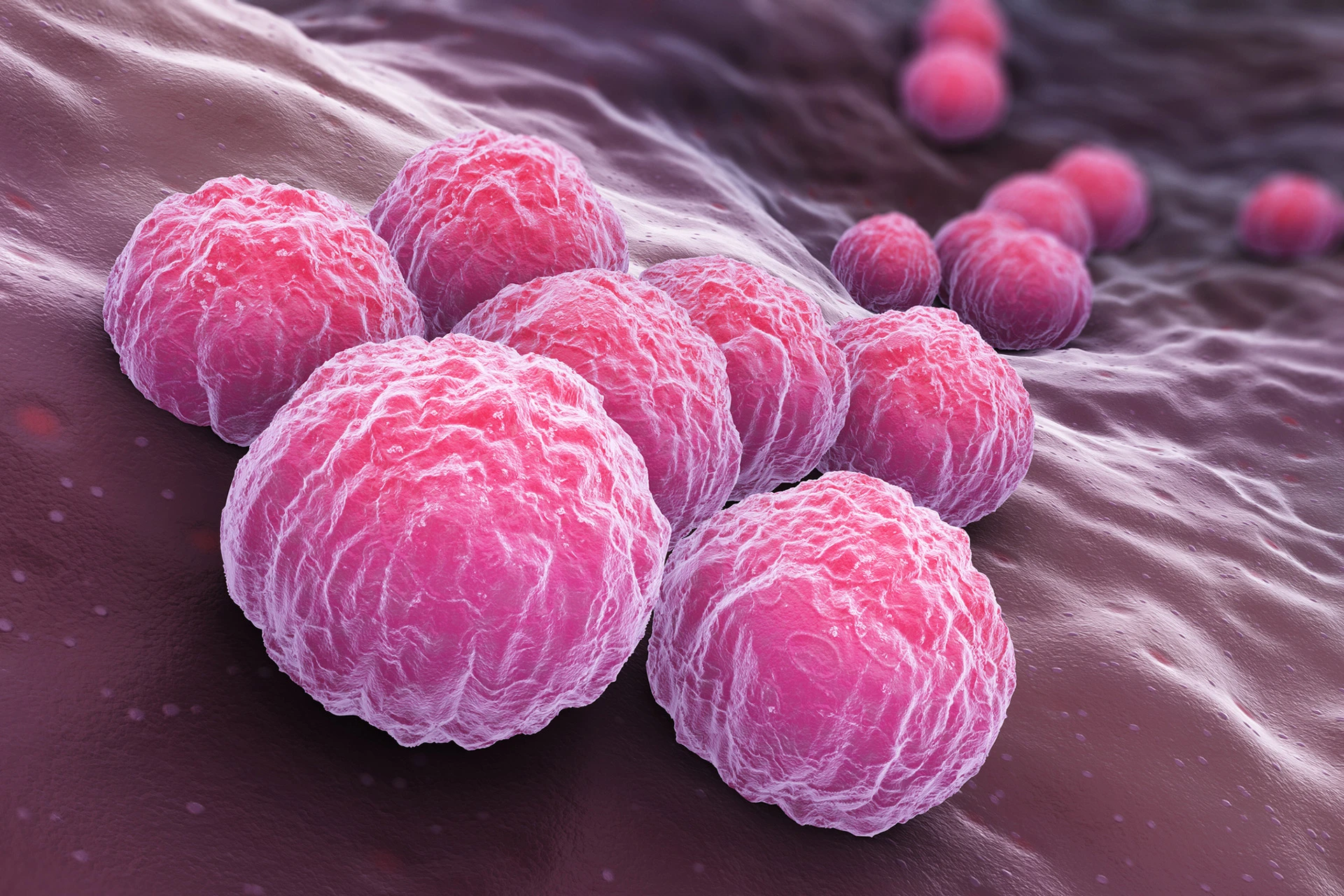
Chlamydia
Impacts of chlamydia on an infant include eye infections, nasal infections, or pneumonia. Vertical transmission of chlamydia occurs during birth.
Gonorrhea
Impacts of gonorrhea on an infant include localized or systemic infection (“sepsis”). Gonorrheal infections of the eyes can cause blindness, so routine antibiotic ointment to the eyes is recommended after birth. Vertical transmission of gonorrhea occurs during birth.
Herpes Simplex Virus (HSV)
Newborn HSV may cause central nervous system infections which may cause seizures or death. It may also cause localized infections. HSV is very dangerous in newborns. Transmission most often occurs during birth, but may also occur during pregnancy or in the period after birth. Postpartum exposure occurs when an infant is exposed to a lesion, such as on the breast during breastfeeding, or when someone with an HSV cold sore kisses an infant.
Human Immunodeficiency Virus (HIV)
Pediatric HIV is a lifelong condition, which must be consistently treated with antiretroviral medication. Infants and children with HIV have increased vulnerability to infections. Maternal treatment with antiretrovirals reduces risk of transmission. Transmission may occur in utero, during delivery, or postpartum through breastfeeding or exposure to body fluids.
Human Papilloma Virus (HPV)
HPV transmission to newborns during birth is very rare but may occur and cause respiratory illness.
Syphilis
Maternal syphilis may spread to a fetus as early as 9 weeks gestation. Syphilis during pregnancy increases the risk for prematurity, low birth weight, stillbirth, and birth defects. Congenital syphilis has a mortality rate of approximately 31% (Wozniak et al., 2023). Early treatment during pregnancy reduces risk of complications substantially, so screening is completed multiple times during pregnancy per American College of Gynecology recommendations (ACOG, 2025a).
Trichomoniasis
Trichomoniasis increases the risk for preterm birth, low birth weight, and other pregnancy complications.
STIs & Fertility
STIs have been associated with infertility in both men and women. Infertility is the inability to get pregnant after 12 months of consistent unprotected intercourse. Pelvic inflammatory disease (PID) is a complication of gonorrhea and chlamydia, and is associated with tubal factor infertility. PID damages the fallopian tubes and causes permanent scarring. Additionally, some STIs can cause epididymitis in men, a disease also associated with infertility. STIs in men may increase the risk of infertility in men by other mechanisms as well.
Last updated on May 7, 2026
In the News


References
American College of Obstetricians and Gynecologists. (2025a, October). Screening for Syphilis in Pregnancy. https://www.acog.org/clinical/clinical-guidance/practice-advisory/articles/2024/04/screening-for-syphilis-in-pregnancy
American College of Obstetricians and Gynecologists. (2025, October). Syphilis screening in pregnancy: frequently asked questions. https://www.acog.org/clinical-information/physician-faqs/syphilis-screening-in-pregnancy
American College of Obstetricians and Gynecologists. (2023, April). FAQs: Preterm labor and birth. (https://www.acog.org/womens-health/faqs/preterm-labor-and-birth)
American College of Obstetricians and Gynecologists. (2020, October). FAQs: Stillbirth. https://www.acog.org/womens-health/faqs/stillbirth
Centers for Disease Control and Prevention. (2025, September). Herpes simplex virus and breastfeeding. https://www.cdc.gov/breastfeeding-special-circumstances/hcp/illnesses-conditions/herpes.html
Centers for Disease Control and Prevention. (2021, July). Sexually transmitted infections treatment guidelines, 2021: Epididymitis. https://www.cdc.gov/std/treatment-guidelines/epididymitis.htm
Centers for Disease Control and Prevention. (2022a, September). Sexually transmitted infections treatment guidelines 2021: Gonococcal infections among neonates. https://www.cdc.gov/std/treatment-guidelines/gonorrhea-neonates.htm
Centers for Disease Control and Prevention. (2022b, September). Sexually transmitted infections treatment guidelines 2021: Trichomoniasis. https://www.cdc.gov/std/treatment-guidelines/trichomoniasis.htm
McCance, K.L., & Huether, S.E. (2019). Sexually transmitted infections. In V.L. Brashers & N.S. Rote (Eds.), Pathophysiology: The biologic basis for disease in adults and children (pp 867-887). Elsevier.
National Institute for Health. https://www.nichd.nih.gov/health/topics/stds/conditioninfo/concern
World Health Organization. (2026). Low Birth Weight. https://www.who.int/data/nutrition/nlis/info/low-birth-weight
Wozniak, P. S., Cantey, J. B., Zeray, F., Leos, N. K., Michelow, I. C., Sheffield, J. S., Wendel, G. D., & Sánchez, P. J. (2023). The Mortality of Congenital Syphilis. The Journal of pediatrics, 263, 113650. https://doi.org/10.1016/j.jpeds.2023.113650