Sex is an important, healthy appetite for humans. Modern neuroscience research has uncovered startling new information about how sex affects our brains. The effect of sex on our brains can have all sorts of consequences, including many that scientists are still working to understand. But we do know that sex can literally change a person’s brain, influencing thought processes and affecting future decisions.1 When sex is experienced in unhealthy ways, at the wrong time, it can damage vital aspects of who we are as human beings.
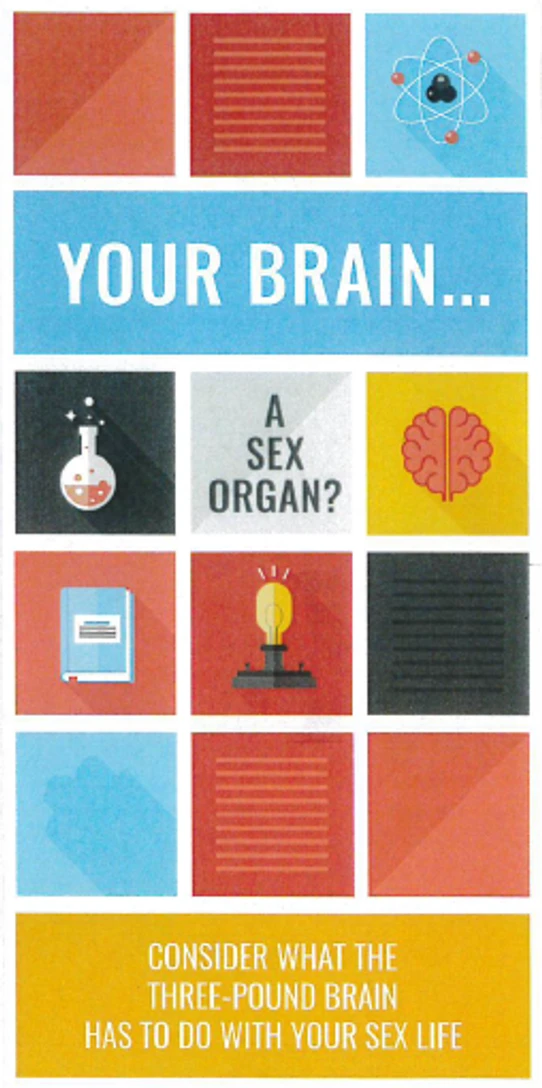
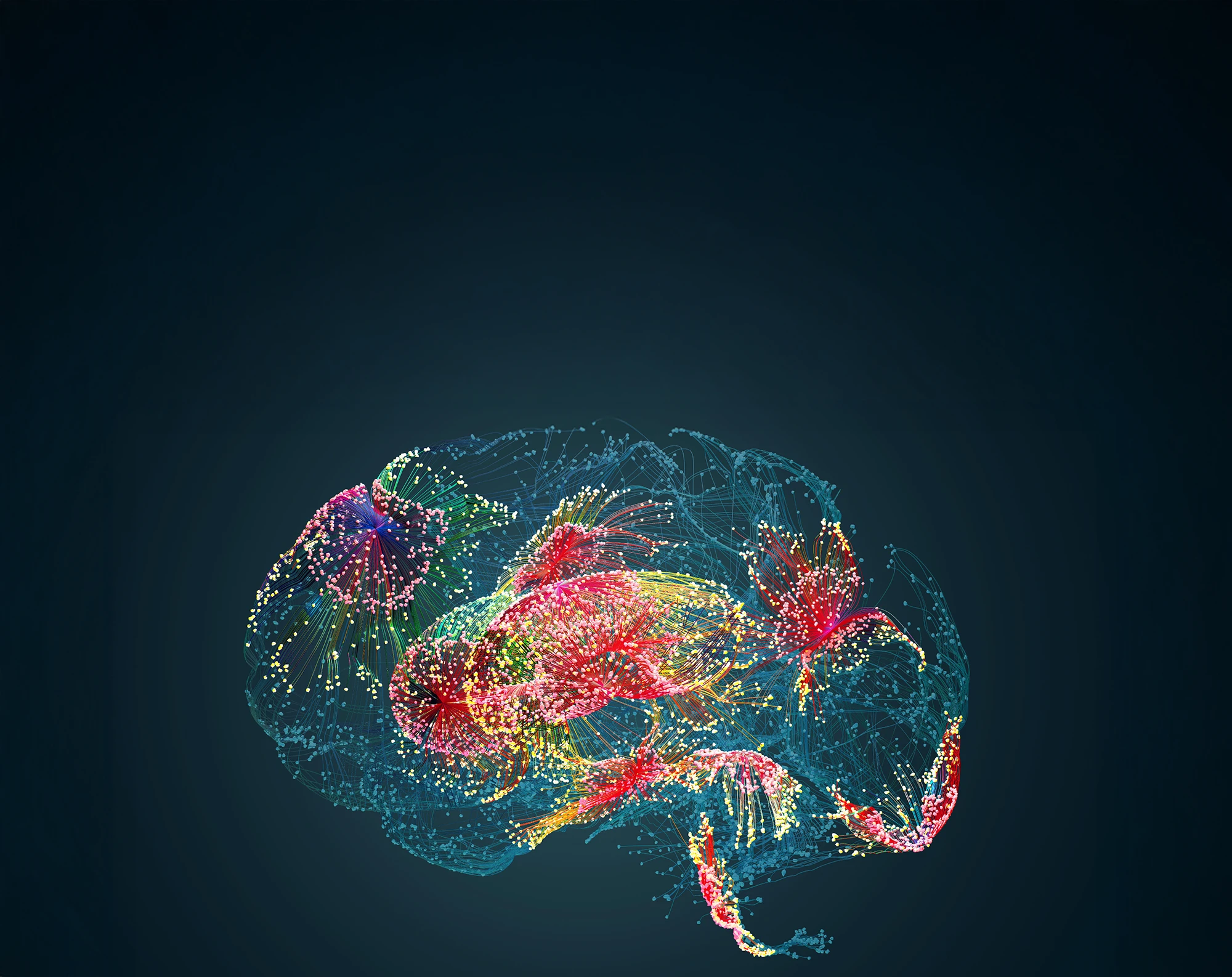
What we know from science is that the brain is the largest and most important sex organ. Chemicals in the brain—such as dopamine, oxytocin, and vasopressin — help guide human behavior.2
- Dopamine makes a person feel good after an exciting experience. It has a great influence over human behavior since it also gives us the desire or need to repeat the behavior that caused us such a good sensation.3 Sex is one of the strongest generators of dopamine reward. However, dopamine cannot distinguish between beneficial and harmful sexual behavior.4
- Oxytocin is critically important to bonding and trust, especially in women. Oxytocin, much like dopamine, occurs during an intimate physical relationship and cannot distinguish between right and wrong.5 Oxytocin is released regardless of who the sexual partner is which can cause a woman to bond and trust a man even after a one-night stand. That bond/trust explains why it can be so painful emotionally when sexually active people break-up. It also helps explain why some women are unable or unwilling to get out of a bad or abusive relationship.6
- Vasopressin initiates the bonding in the brain in males. Like oxytocin, it occurs during an intimate physical relationship and cannot distinguish between right and wrong.7
Adolescents: The adolescent body may be capable of having sex, but the adolescent mind may not be prepared to think through and handle all the consequences. In contrast to pregnancy and STIs, the emotional and psychological impact cannot be guarded against with condoms and other forms of contraception. A 2017 survey of high school adolescents illustrates that both boys and girls who have had sex are more likely to be depressed than their friends who have not had sex. That survey also showed that students who had not had sexual activity consistently had a lower percentage of suicidal thoughts than their more sexually active classmates.8
Pornography certainly adversely affects the brain in both adolescents and older people.
- Studies have found that frequency of pornography consumption correlates with an increase in depression, anxiety, stress, and social problems.9
- Even moderate pornography consumption is correlated with shrunken grey matter in parts of the brain that oversee cognitive function.10
Viewing porn leaves such an imprint on young (and older) minds that it can become addicting.11
Pornography often shows vulgarity, physical aggression, and even rape and incest. Watching such “extreme” pornography may cause some men to learn from porn and treat women more aggressively and believe that they are entitled to sex from all women.12
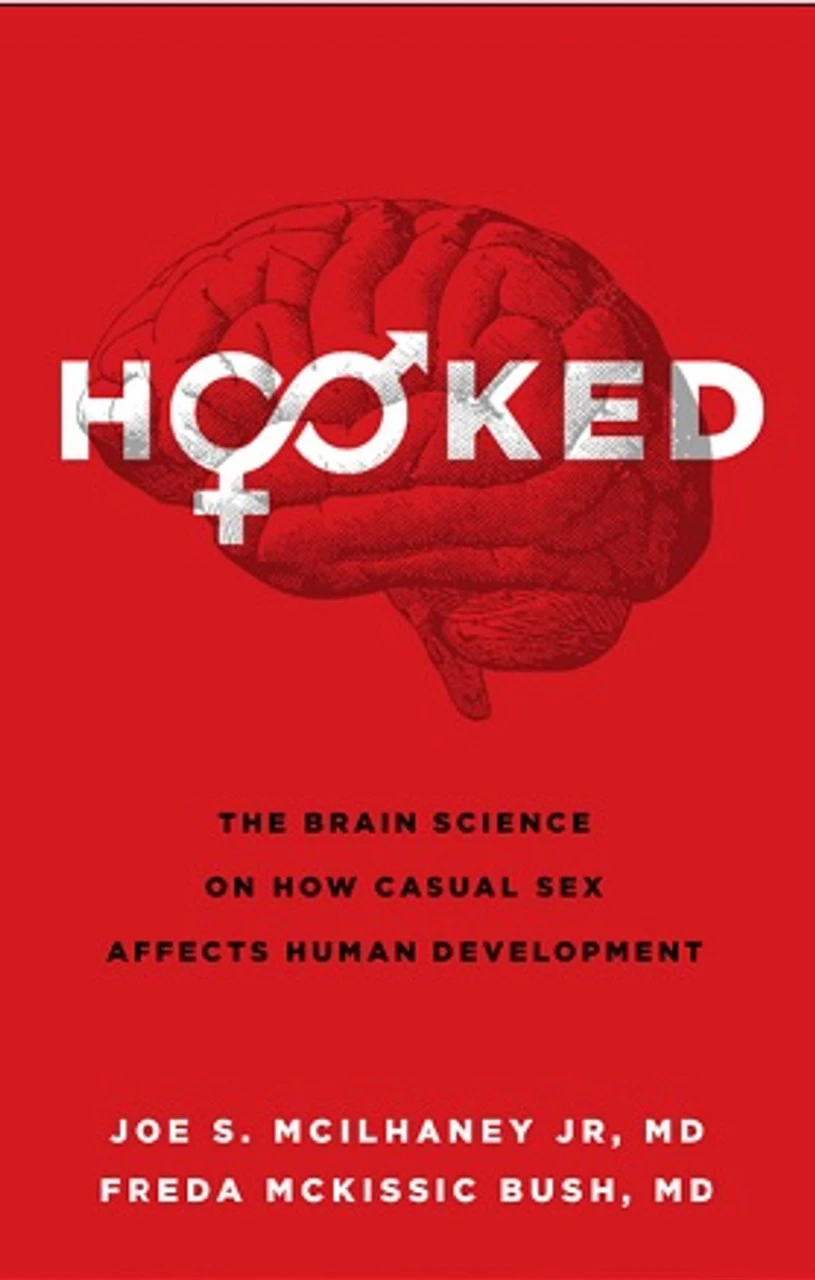
1Mcilhaney, Joe S, and Freda Mckissic Bush. Hooked: The Brain Science on How Casual Sex Affects Human Development. Chicago, Il, Northfield Publishing, 2019.
2Calabrò RS, Cacciola A, Bruschetta D, Milardi D, Quattrini F, Sciarrone F, la Rosa G, Bramanti P, Anastasi G. Neuroanatomy and function of human sexual behavior: A neglected or unknown issue? Brain Behav. 2019 Dec;9(12):e01389. doi: 10.1002/brb3.1389. Epub 2019 Sep 30. PMID: 31568703; PMCID: PMC6908863.
3Kolb B, Gibb R. Brain plasticity and behaviour in the developing brain. J Can Acad Child Adolesc Psychiatry. 2011 Nov;20(4):265-76. PMID: 22114608; PMCID: PMC3222570.
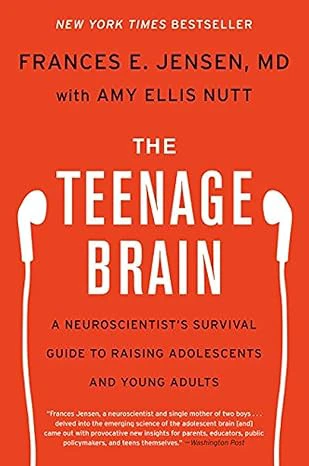
4Jensen, Frances E, and Amy Ellis Nutt. The Teenage Brain: A Neuroscientist’s Survival Guide to Raising Adolescents and Young Adults. New York, Harper, 2016.
5Fletcher, Simpson, Campbell, and Overall, “Pair-Bonding, Romantic Love, and Evolution.”
6I. Schneiderman, O. Zagoory-Sharon, J. F. Leckman, and R. Feldman, “Oxytocin during the initial stages of romantic attachment: Relations to couples’ interactive reciprocity,” Psychoneuroendocrinology 37, no. 8 (Aug. 2012): 1277–85. A. Meyer-Lindenberg, G. Domes, P. Kirsch, and M. Heinrichs, “Oxytocin and vasopressin in the human brain: social neuropeptides for translational medicine,” Nature Reviews Neuroscience 12 (Sept. 2011).
7Young, Gobrogge, Liu, and Wang, “The Neurobiology of Pair Bonding.”
8L. Kann, T. McManus, W. A. Harris et al., “Youth Risk Behavior Surveillance—United States, 2017,” MMWR Surveillance Summaries 67, no. 8.
9Vieira, C., & Griffiths, M. D. (2024). Problematic Pornography Use and Mental Health: A Systematic Review. Sexual Health & Compulsivity, 31(3), 207–247. https://doi.org/10.1080/26929953.2024.2348624
10National Center on Sexual Exploitation. “Studies Show Pornography Changes the Brain.” NCOSE, 24 Jan. 2022, endsexualexploitation.org/articles/pornography-changes-the-brain/.
11National Center on Sexual Exploitation, “Pornography & Public Health: Research Summary,” June 8, 2017.
12Ana J. Bridges, Robert Wosnitzer, Erica Scharrer, Chyng Sun, and Rachael Liberman, “Aggression and Sexual Behavior in Best-Selling Pornography Videos.”