Consent

Overview
About Consent
As society has evolved, the topic of consent has become frequent and common place. In modern sex education, agreeance by both partners allows consensual sexual activity. Defined by RAINN, “enthusiastic consent” is a positive and verbal expression of willingness.
Yet research suggests consent alone is not always sufficient. With legal consent definitions changing from state to state, age gaps between partners, and power imbalances, the issue becomes more complicated in practice. Sexual assault rates among young adults remain high despite decades of consent education1.
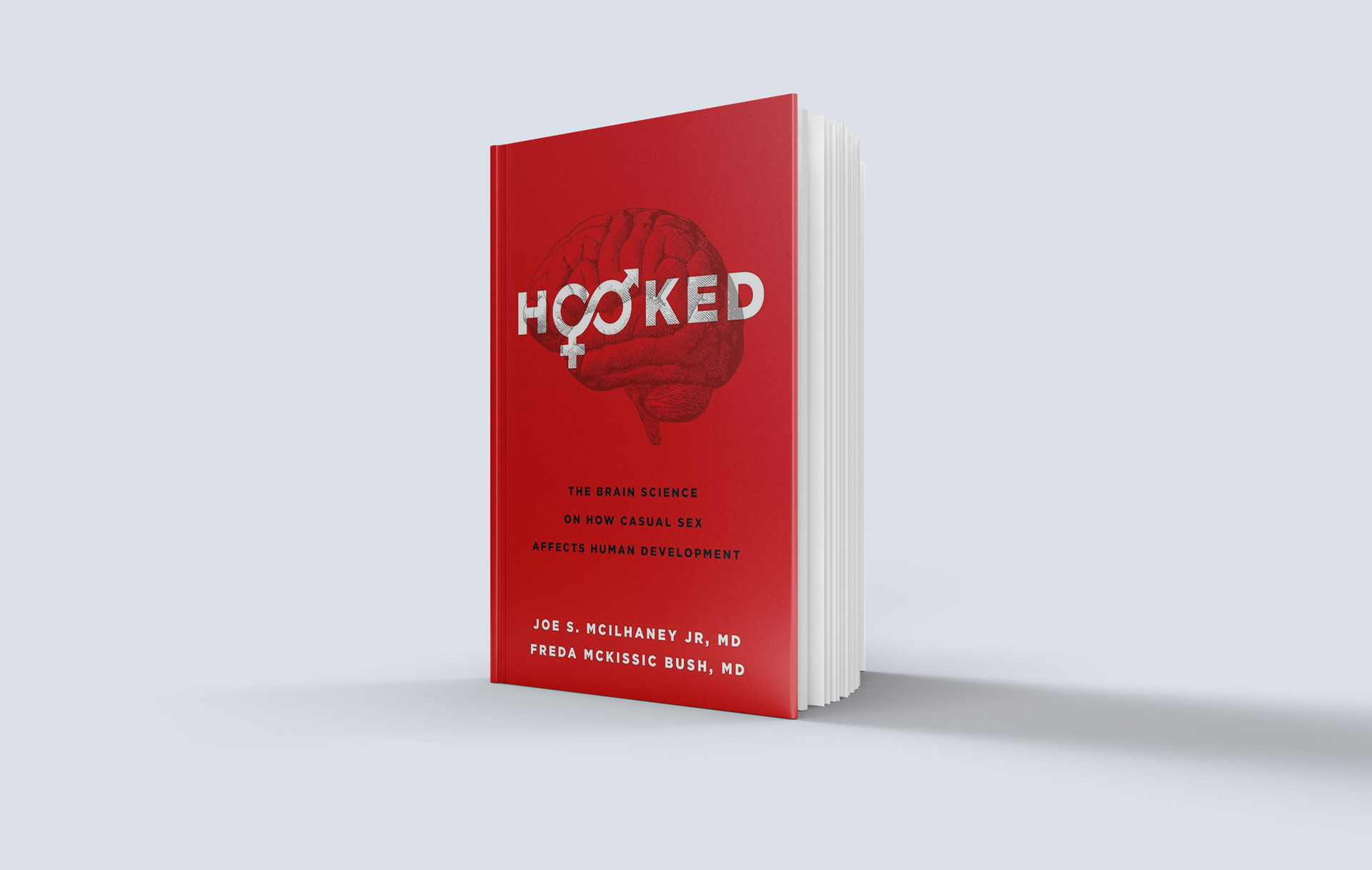
Our research uncovers the complexities of consent, the effectiveness of the term in practice, and the gaps in education. Impacting factors such as substance use, social fear, mental trauma raises concerns about the role of consent in healthy sexual behaviors. Research underscores the need to move beyond a minimal standard and toward frameworks that emphasize respect, responsibility, and the deeper human significance of sex.
1Marie, Anne. “Consent, Even “Enthusiastic Consent,” Isn’t Enough to Prevent Sexual Assault.” Natural Womanhood, Apr. 2025, http://naturalwomanhood.org/consent-sexual-assault-prevention/
Where the
Research Leads










What You Can Do

Ad duis reprehenderit Lorem excepteur anim commodo est. Ex qui nisi ut ad commodo do ad magna dolore commodo minim.a

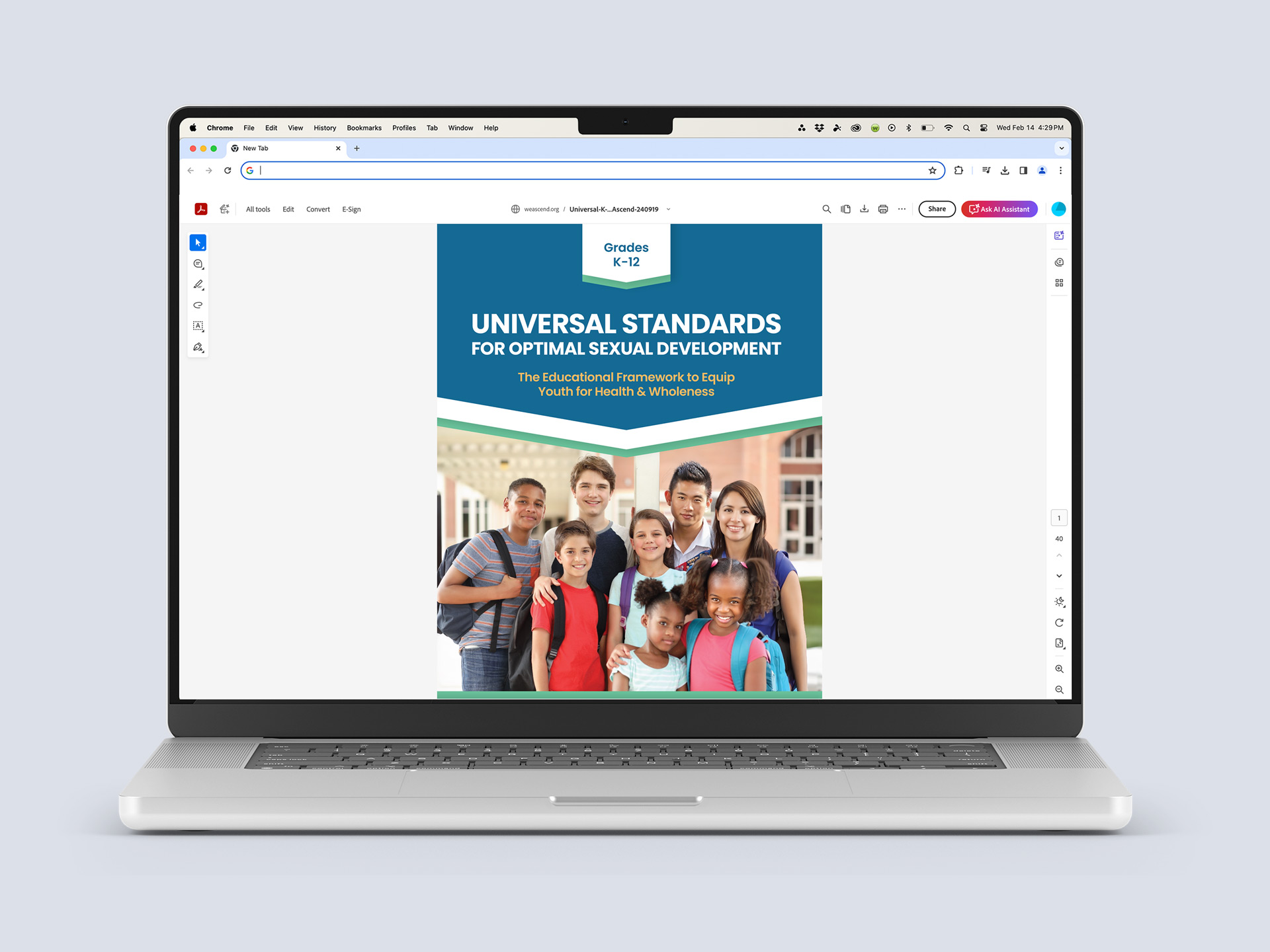
Consult the K-12 Sex Education Standards, which present a clear definition of consent, as well as refusal skills.

Model boundary setting at home and talk about consent being more than just saying “yes”.

Create safe environments where violations of consent can be discussed, as well as resources on healthy relationships.
Further Reading